
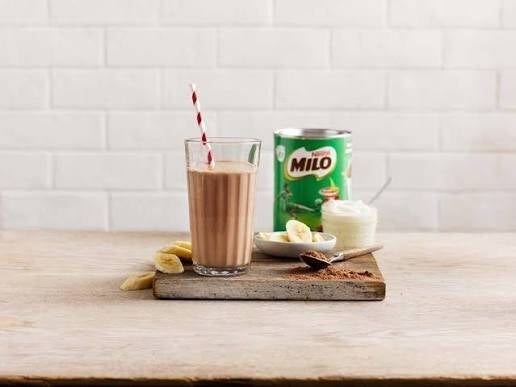
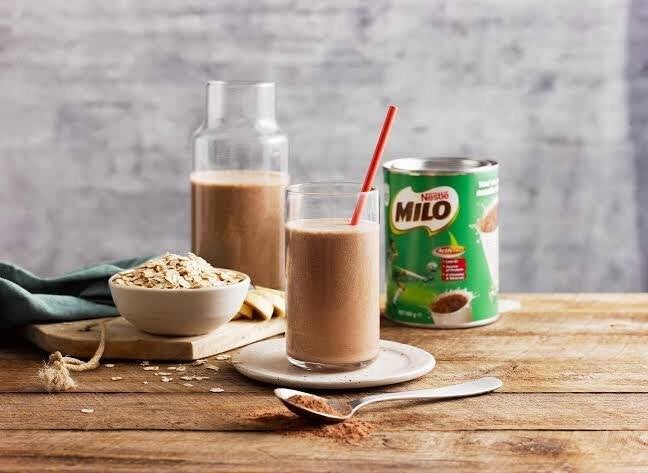
Milo, a malted chocolate drink from across the Tasman, was adopted into New Zealand childhoods: spoonfuls eaten dry from the tin, and the mug after Saturday sport. The recipe did not change; the ritual did, and the drink became a shared memory.
Nestlé states its purpose as enhancing quality of life and contributing to a healthier future, unlocking the power of food and beverages to enhance quality of life for everyone, today and for generations to come. Its organising idea is “Creating Shared Value”: the belief that business success and social progress go together, expressed through respect for people, communities and the planet, and through sustainability commitments including a net-zero ambition, deforestation-free supply chains, regenerative agriculture at scale and better packaging. The company is the world’s largest food and beverage business, yet its New Zealand arm works locally — Cook for Life nutrition sessions with teenagers and partnerships with Massey University among them — within an Oceania workforce of around five thousand. Targets with teeth accompany the language: halve greenhouse gas emissions by 2030, have all key ingredients sustainably produced by 2030, and no packaging ending in landfill or as litter. For the Milo post, that local colour is what keeps a global purpose from reading as generic corporate copy.
Company: Nestlé New Zealand
Website: https://www.nestle.co.nz
Description: Nestlé's malted chocolate drink, adopted into New Zealand childhoods.
Add comment
Comments