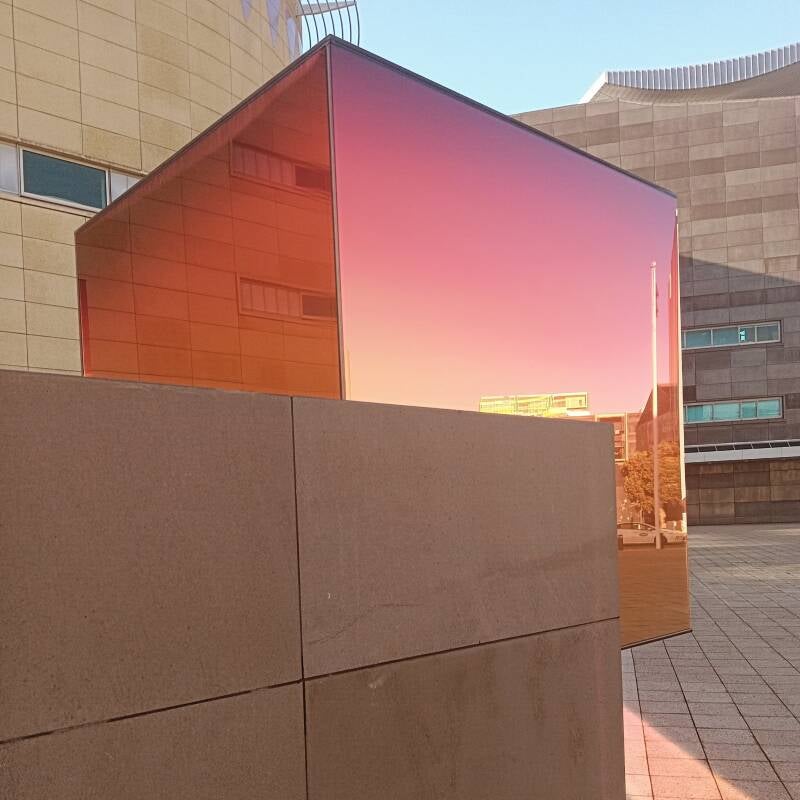
On Wellington's waterfront stands a museum that did not merely house New Zealand's treasures but reimagined what a national museum could be. The Museum of New Zealand Te Papa Tongarewa, opened on 14 February 1998, merged the former National Museum and the National Art Gallery into a single institution, and its radical concept was biculturalism: a museum built on the partnership between Tangata Whenua and Tangata Tiriti, with its own functioning marae, a Māori co-leader, and Māori perspectives woven through collecting and display rather than confined to a single gallery. Traditionalists called it the “MTV of museums” for its audience-focused, interactive approach; the public answered with 35,000 visitors on opening day and more than two million in its first year.
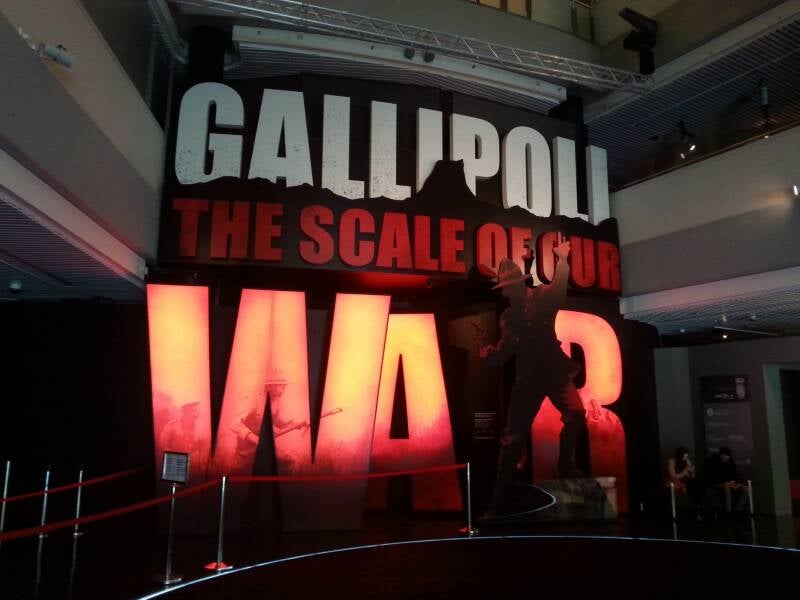
Te Papa describes itself as bicultural, scholarly, innovative, and fun, and says its success is built on its relationships with its community and its ability to represent that community. Its collections span five areas — art, history, Pacific cultures, Māori perspectives, and the natural environment — and its exhibitions are interdisciplinary and interactive, from the earthquake house that shakes visitors in Te Taiao Nature to Gallipoli: The Scale of Our War, the larger-than-life Wētā Workshop exhibition on level 2. The museum's approach to storytelling and biculturalism has since become a model for museums around the world.
Company: Museum of New Zealand Te Papa Tongarewa
Website: https://www.tepapa.govt.nz
Description: New Zealand's national museum on Wellington's waterfront, with collections spanning art, history, Pacific cultures, Māori perspectives, and the natural environment, and interdisciplinary, interactive exhibitions.

Add comment
Comments