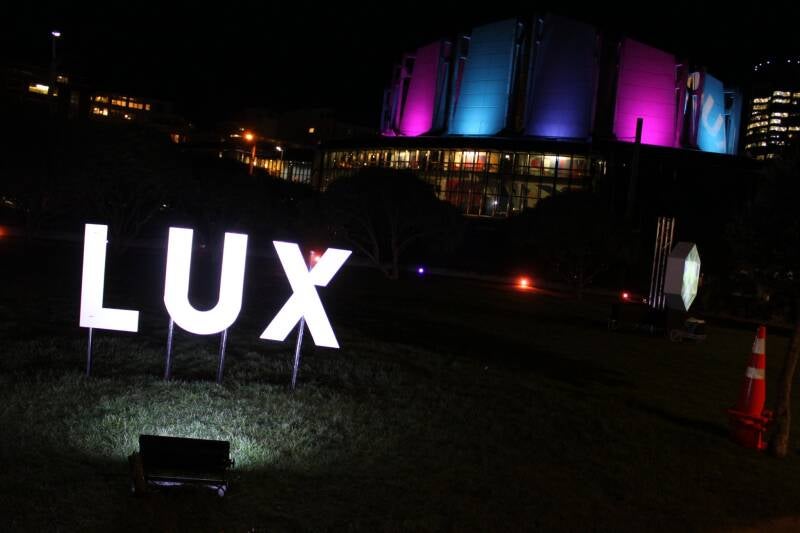
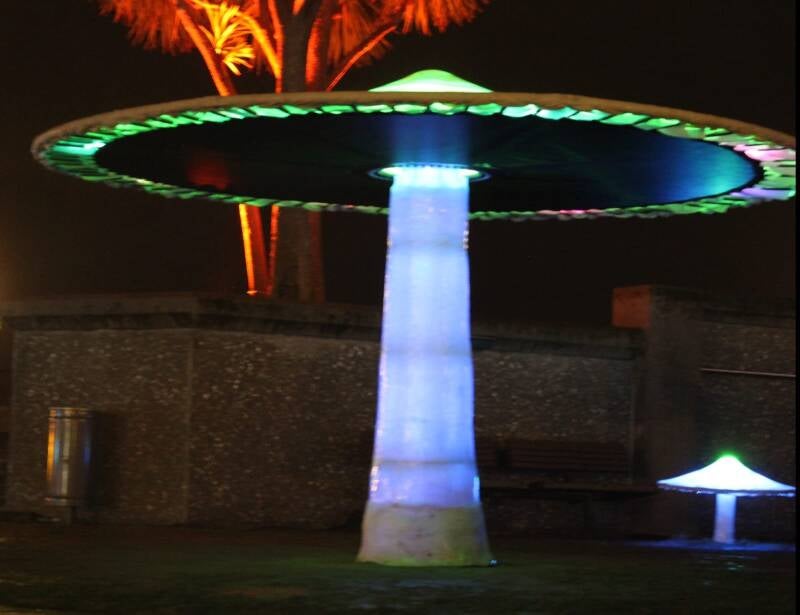
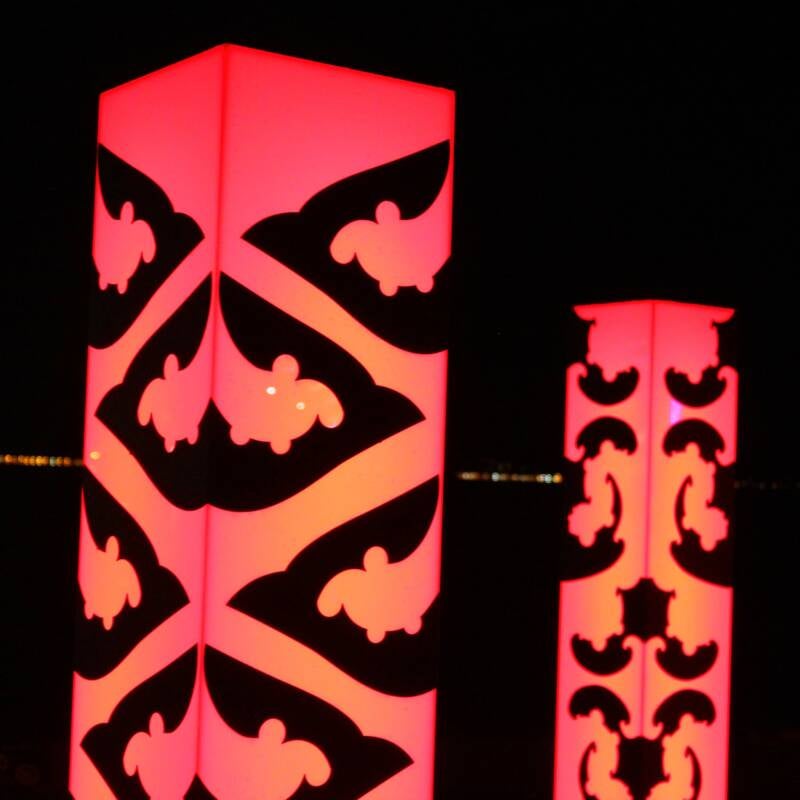
For a few nights each winter, Wellington turns its darkest season into its brightest asset. LUX is a free public light festival that takes over the city's waterfront and laneways with light sculptures, interactive installations and projections, the lights coming on at 6pm and burning into the night. It is the purest expression of the country's habit of reinvention: New Zealand took the cold, dark middle of the year — the weeks when a sensible city stays indoors — and turned it into a reason for tens of thousands of people to walk the streets after dark, together, looking up.
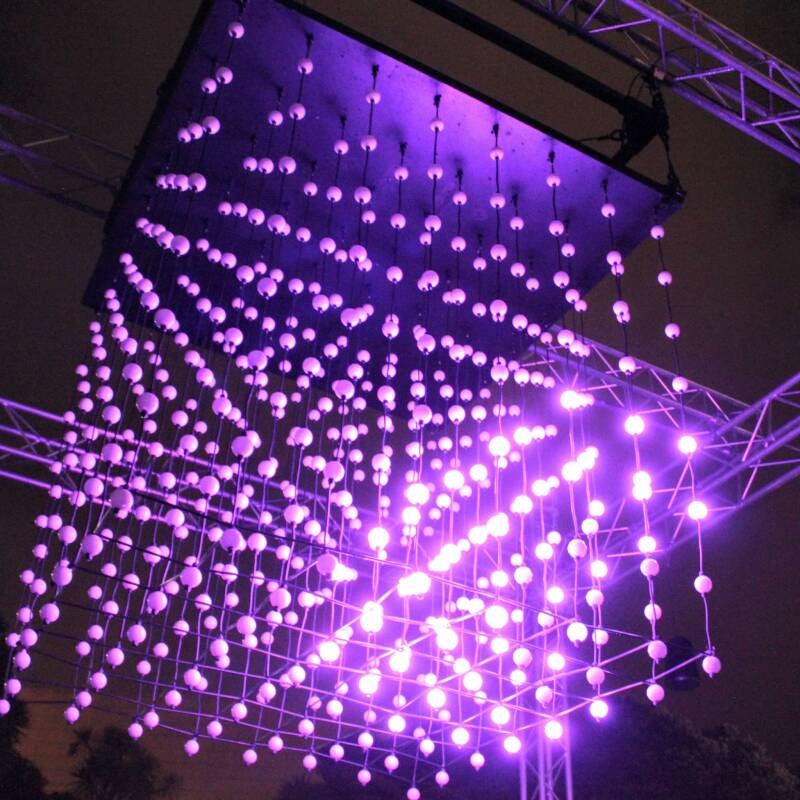
It began small, in September 2012, as the Wellington Lux-Mini Light Festival: four installations at four locations along the waterfront, made by artists from New Zealand, Australia and Britain — Kit Webster, Squidsoup, Storybox and the Interrupt Collective. The team behind it was Massey University's College of Creative Arts, Wellington City Council and the design company Storybox, and the vision belonged to Chris Bennewith, the College's Associate Pro Vice-Chancellor: Wellington, he said, had the potential for a large-scale light festival, an internationally recognised cultural tourism event and a platform to launch New Zealand artists working with digital media onto the world stage. It was an experiment, and it worked.
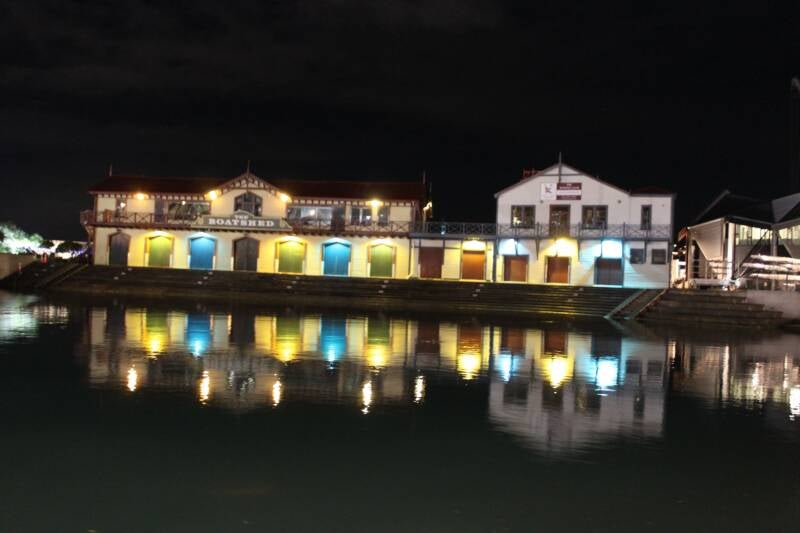
The experiment grew fast. In August 2014 the first full LUX wound a trail of light sculptures through the city's laneways and out along the waterfront promenade, with artist talks and a deLUX Dining tour run with Wellington on a Plate — and more than 65,000 people came. In 2015, from 21 to 30 August, there were more than 30 light sculptures and interactive installations chosen from 60 submissions, 36 exhibits spread from Frank Kitts Park along the waterfront to Opera House Lane, Leeds Street and Eva Street, under festival producer Mary Laine. That year also gave the city something permanent: the Cable Car tunnel light show, launched during LUX 2015 and then made a fixture, now 45,000 LED lights across 60 arches.
In 2016 the festival paused and rethought itself, and in May 2017 it came back reconfigured — earlier in the year, so the lights came on while families were still out, and organised into five precincts: works for children, works by Māori contemporary artists in the Te Ao Mārama precinct, large-scale international interactive works, and smaller intimate pieces in two of the laneways. The 2017 favourites included Studio Iregular's Control No Control, Hemi MacGregor and Mara TK's Tāne Te Wānanga, the wandering Lux Cats and the Circus Precinct around Civic Square and the City to Sea bridge. It ran again in May 2018, from the 18th to the 27th, and kept lighting up Wellington's winters into the late 2010s.
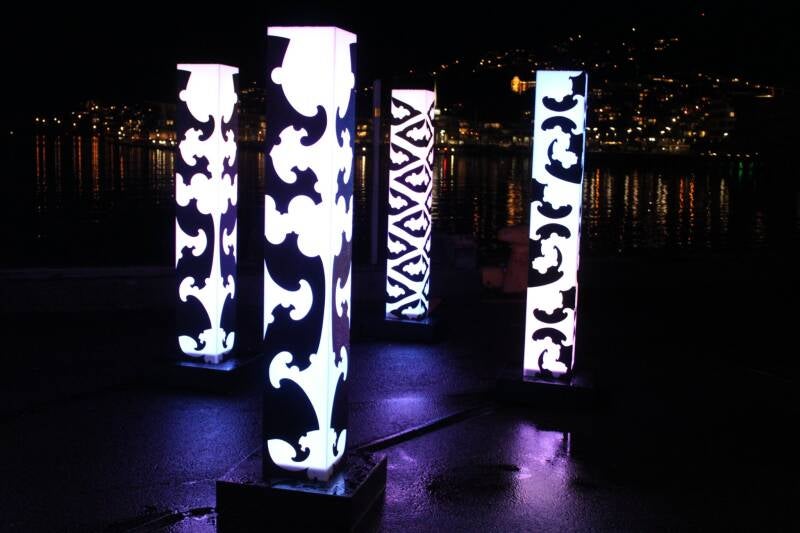
Then the festival went quiet through the COVID years — and in 2024 it came back, Wellington dressing up for several evenings of light again. The idea had never really left: the installations that began at LUX now live in the city year-round, along Eva Street and in the Cable Car tunnel, and the festival itself remains what it was from the start — free, outdoors, after dark, the city as the gallery and light as the medium.
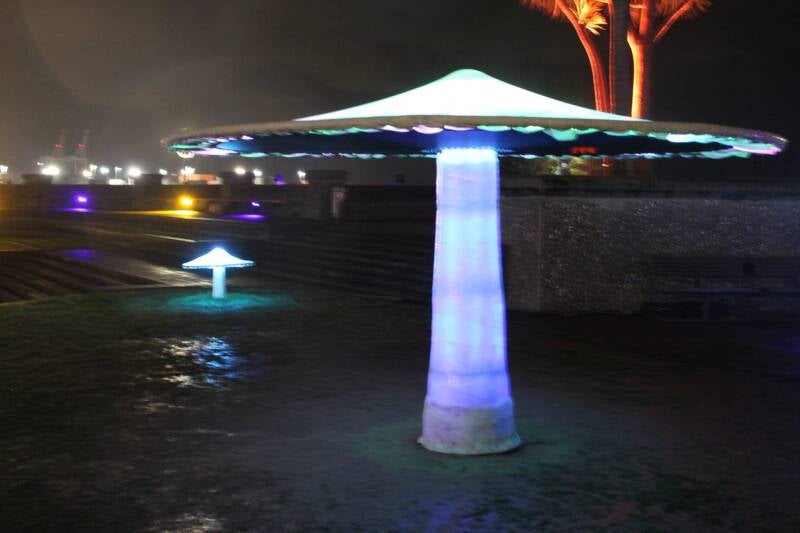
LUX has always described itself in the same plain words: a free public light festival that turns Wellington's waterfront and laneways into a captivating celebration of light, art, technology and design. Everything about the way it runs follows from that — the works are outdoors and free, the trail is a walk through the city rather than a ticketed venue, the artists are New Zealanders alongside international guests, and the season is deliberately the coldest, darkest part of the year, the gateway to winter. It is a festival built on the belief that a city shows who it is after dark, and that the best answer to a Wellington winter is to light it up.
Company: ECC Lighting
Website: ecc.co.nz
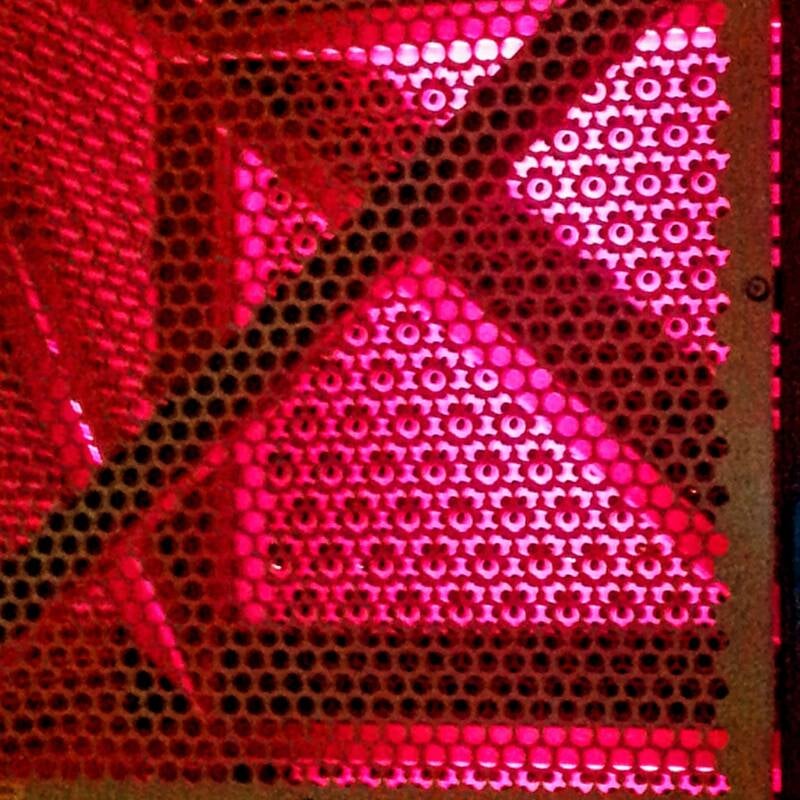
Description: New Zealand's family-owned lighting house since 1909, representing the world's leading lighting and furniture brands exclusively in New Zealand — and the team behind LUX's Light blades installation in Opera House Lane.
Add comment
Comments