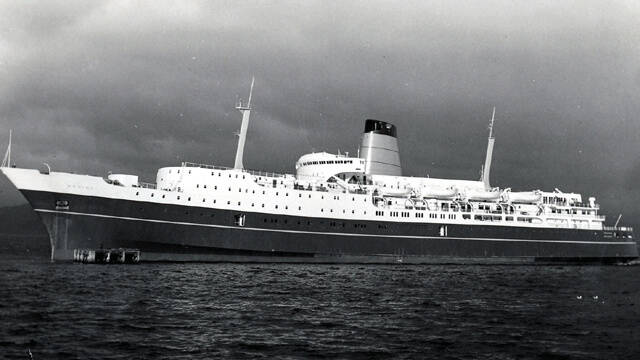
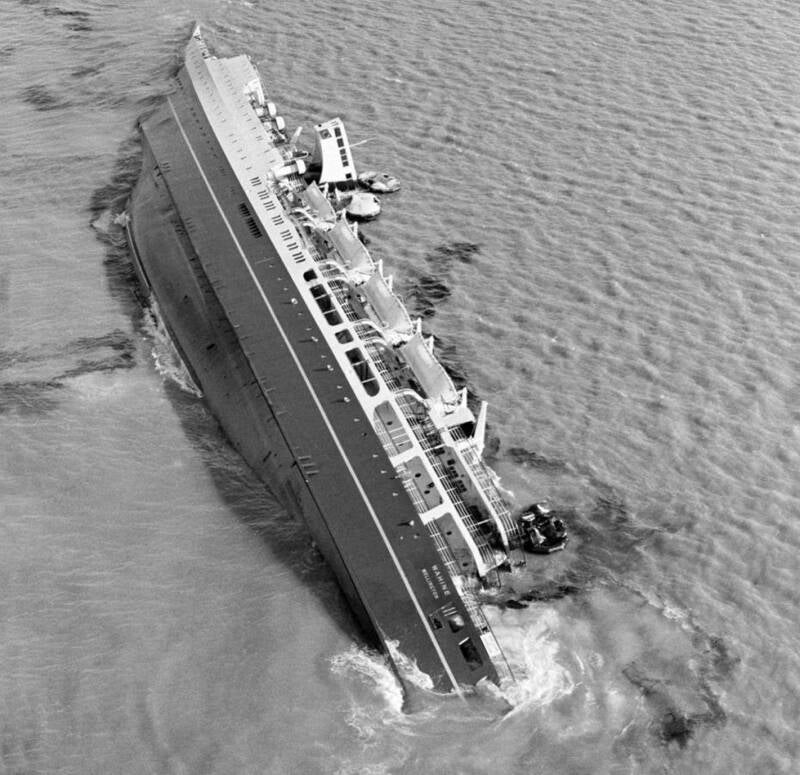
On the morning of 10 April 1968, the inter-island ferry Wahine foundered in Wellington Harbour in a storm, and 53 people died within sight of the shore. Watching from Seatoun Beach was Peter Button, a Wellington plumber, who thought there had to be a better way. He had no money, no backing and no pilot's licence — but he bought a helicopter, learned to fly it, and set out to build the thing that had not existed that morning: a civilian rescue helicopter service that could reach anyone, anywhere, at any hour. What he built became Life Flight, and its helicopter became the Westpac Rescue Helicopter — New Zealand's first 24/7 civilian rescue helicopter service, and a second invention in how it is paid for: not by the patient, who is never charged, but by the government, a bank and the community, together.
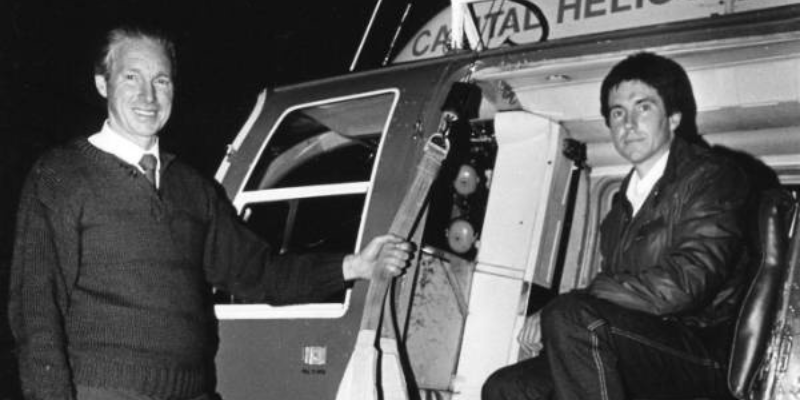
Button bought a Hughes 300 in 1975, with help from Wellington businessman Mark Dunajtschik, and founded Capital Helicopters. He gained his air operating licence in 1976 and a Jet Ranger in 1977 — the first commercial helicopter in New Zealand fitted with a winch, a device only the Air Force had used before. The first inter-hospital transfer came in February 1978. In 1981 the Commercial Bank of Australia put its name to the rescue helicopter; when the bank merged into Westpac the following year, the service became the Westpac Rescue Helicopter, and in November 1982 the Life Flight Trust was formally established. The service's defining rescue came on 2 July 1986, when Button and his son Clive saved two of four police crew from the stricken Lady Elizabeth II in ten-metre seas at the harbour entrance, hovering with the rotors below the wave peaks. Button received the Queen's Gallantry Medal on 18 November 1987 — and was killed two days later, aged 58, when his helicopter struck power lines during a police search in Churton Park. His son Clive kept the service flying.
The reinvention is the money. Government agencies cover up to about 60 per cent of the cost; Westpac's sponsorship has run since 1981, one of the longest corporate sponsorships in the country; and the rest comes from the community — monthly donors, street appeals, service clubs, sausage sizzles and bequests — about $4,000 that must be raised for every mission flown, and almost $11 million in fundraising in the year to March 2026. The patient pays nothing: no patient is ever charged. The scale shows what that model sustains: more than 43,000 people flown since 1975, 1,704 missions in the year to March 2025, roughly 2,000 missions a year across the fleet — every week, 32 people need Life Flight.
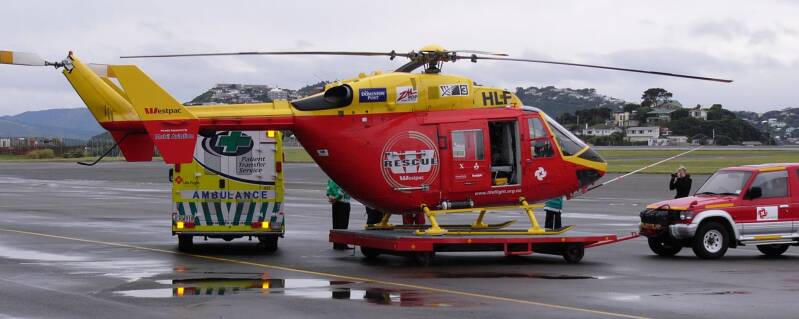
The service keeps renewing itself. On 22 September 2025 a new Airbus H145 entered service from the Wellington base, replacing the BK117 that had served the region for more than 20 years, jointly funded by Health New Zealand and ACC, with the helicopter crew expected to fly around 400 emergency missions a year. Beside it flies a fleet of five Beechcraft King Air 200C air ambulance planes — flying intensive-care wards that carry critically ill patients, including premature babies, to specialist care nationwide, from bases in Wellington and Hamilton, the Waikato base having opened in February 2026. The helicopter covers Wellington, Wairarapa, Kāpiti and Marlborough; the planes cover the country, and Life Flight is the primary ambulance operator to the Chatham Islands. Fifty years on from Button's first helicopter, the service he built from nothing answers every call, free of charge.

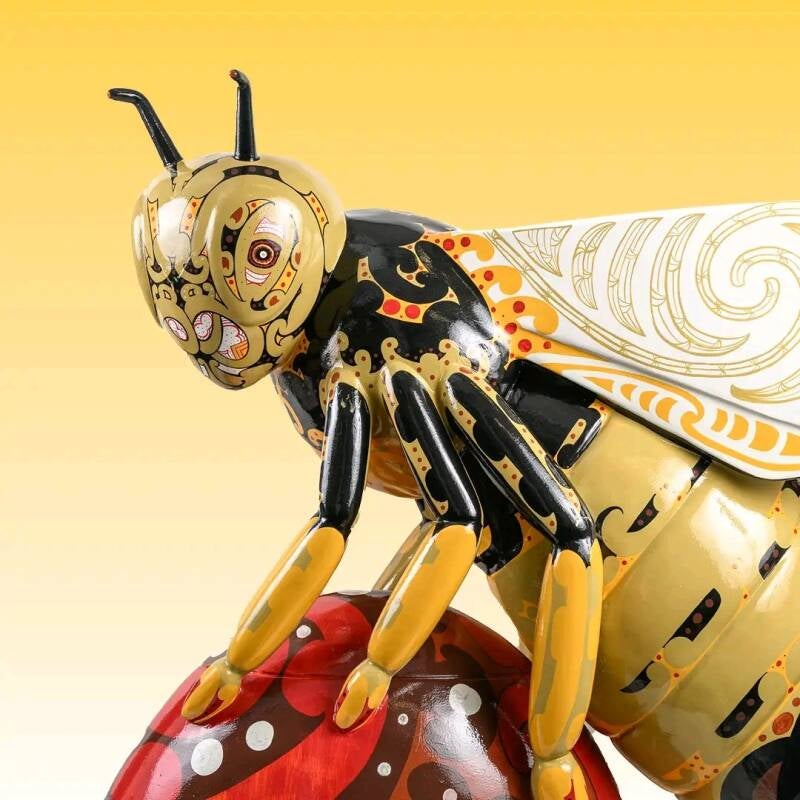
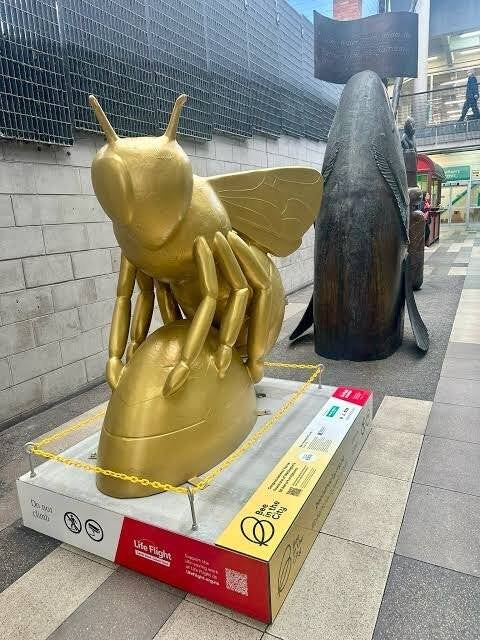
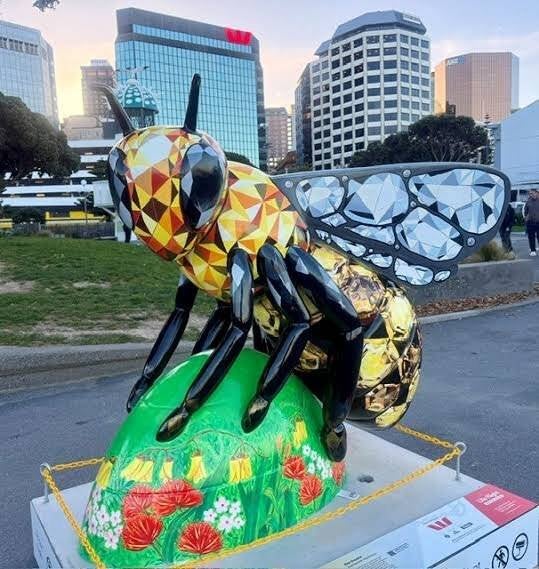
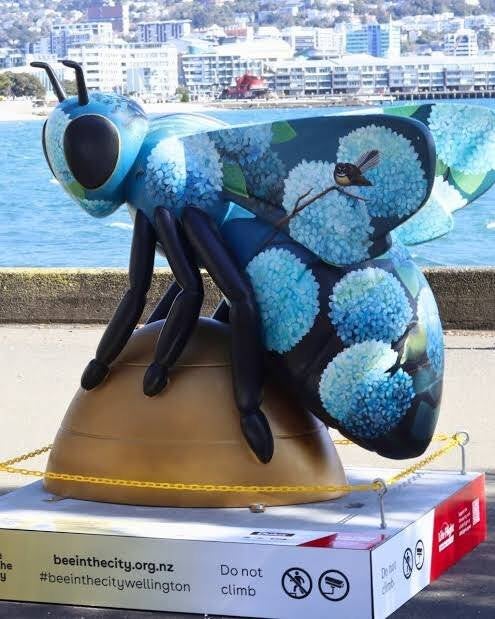
In spring 2026, the community funding took a visible form on Wellington's streets. Mills Albert Bee in the City, a public art trail run by Life Flight, placed 30 giant bee sculptures painted by Kiwi artists — plus 20 smaller bees decorated by schools and community groups — around the capital from 14 September to 8 November, with the sculptures going to auction on 26 November to raise funds for the service, under the line "Buy a Bee, save a life." Even the city's high teas joined in: InterContinental Wellington's Buzzy Bee Kiwiana High Tea donates $1 from every high tea sold to Life Flight.
Life Flight's own words are "Saves time — saves lives". The trust presents itself not as a company but as a community effort: "Your generosity keeps the Westpac Rescue Helicopter and Air Ambulance Planes in the air — ready to respond 24/7." Its story starts with one man's refusal to accept that nothing could be done — Peter Button's "there has to be a better way" on Seatoun Beach in 1968 — and continues through his son Clive, who stepped in after his father's death and still speaks of a 24/7 operation his father "would be amazed at how large the operation has grown". The funding story is the ethos: thousands of New Zealanders fund the service together, "from school sausage sizzles to bequests", through monthly Red Angels donors, street appeals, service clubs and corporate partners, because the government covers only about 60% of the cost. The patient stories on the site carry the same line — families who never expected to need the service, and who "could have lost" a daughter or a baby without it. The thread is a service built by a community, for a community, that answers every call free of charge.
Company:
Life Flight Trust
Website:
Description:
Life Flight is the Wellington-based charity behind the Westpac Rescue Helicopter and a nationwide fleet of air ambulance planes. Founded in 1975 after the Wahine disaster, it flies critically ill and injured New Zealanders to specialist care, 24 hours a day, 365 days a year — and no patient is ever charged.
Add comment
Comments